
 by identity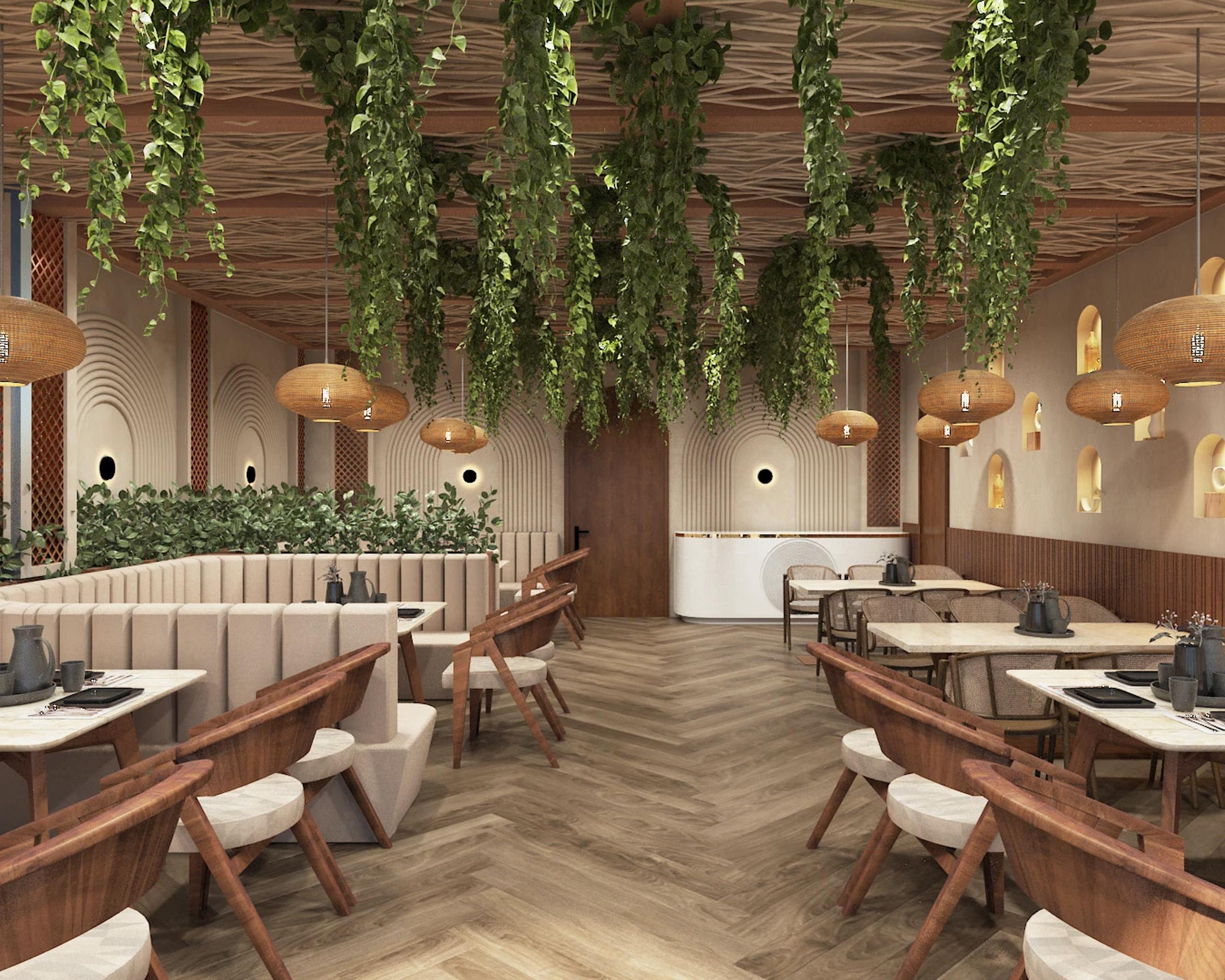
Dining is a multisensory experience. While the tongue perceives taste, the brain processes the environment to determine “flavor.” Interior design–specifically acoustics and textures–acts as a silent seasoning for every dish.
1. The “Sonic Seasoning” of Acoustics
Sound frequency and volume directly alter how we perceive sweetness, bitterness, and crunch.
- High-Frequency Sounds: Light, tinkling music or crisp acoustic environments can actually enhance the perception of sweetness.
- Low-Frequency Sounds: Deep bass or low-end hums have been shown to make food taste more bitter or savory (umami).
- The “Crunch” Factor: If a room is too noisy, the brain struggles to hear the internal “crunch” of food. This often leads guests to perceive fresh vegetables or fried textures as “stale” or “soggy.”
- Loudness & Taste: Excessive background noise (above 70-80 dB) suppresses the ability to taste salt and sugar, which is why airline food often feels bland.


2. Texture and “Oral Somatosensory” Perception
The physical surfaces a diner touches–from the chair to the cutlery–prime the palate for the meal.
- The weight of Quality: Research suggests that heavier cutlery and solid, high-Quality table textures make diners perceive the food as higher quality and more expensive.
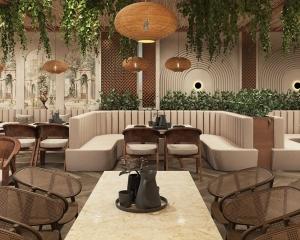
- Rough vs. Smooth: Touching a rough surface (like a raw wooden table or linen napkin) can emphasize the acidity or ” roughness” in a wine or a complex sauce. Conversely, smooth surfaces like polished marble or silk can make creamy textures feel even more luxurious.
- Comfort and lingering: Soft, upholstered seating encourages slower eating. This slower pace allows the diner’s palate to detect subtle notes in complex dishes that would be missed in a fast-paced, “hard-surface” environment.