 by identity
1. Material Continuity
The most effective way to blend the two is to bring exterior materials inside.
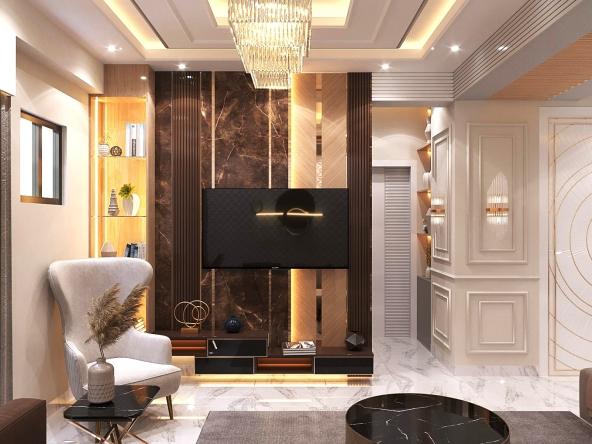
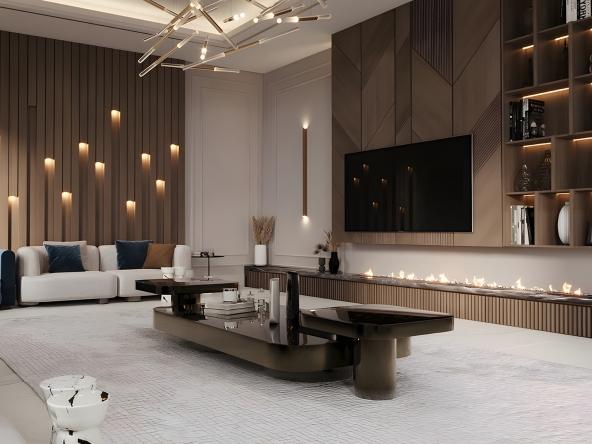
- The Technique: If your home features an accent wall of exposed brick, natural stone, or timber cladding on the outside, extend that same material into the entryway or the main living area.
- The Result: This “bleeding” of materials creates a visual anchor that makes the interior feel like a natural extension of the building’s shell.

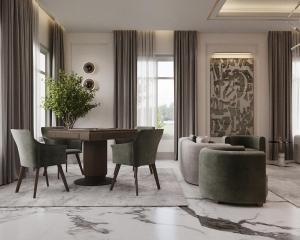
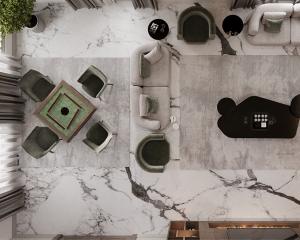
2. A Consistent Color Story
Your exterior palette sets the expectations for what lies within.
- The Rule of Three: Select three primary tones from your exterior (e.g., charcoal grey, warm oak, and off-white). Carry these colors into your interior flooring, cabinetry, and wall finishes.
- The Transition: Use the “middle” tone for your front door and entryway to act as a soft transition point between the outdoor environment and the indoor sanctuary.
3. Framing the View (Windows as Art)
If the exterior “soul” of your home is its location –whether a lush garden or an urban skyline–your windows are the frames.
- Minimalist Profiles: Use slim-profile window frames that match the exterior trim color. This minimizes the visual break between the inside and the outside.
- Alignment: Align interior furniture to point toward these “exterior features.” A sofa facing a large lass pane makes the outdoor landscape feel like the room’s primary wallpaper.
4. Lighting as a Connector
Lighting should not stop at the front door.
- Visual Paths: Use similar lighting fixtures for your outdoor porch and your indoor foyer (e.g., matching lantern styles or recessed LED strips).
- Warmth Consistency: Ensure the Color Temperature (Kelvin) of your exterior landscape lighting matches your interior lights (usually a warm 2700k to 3000k). This prevents a “cold” feeling when looking out the window at night.