 by identity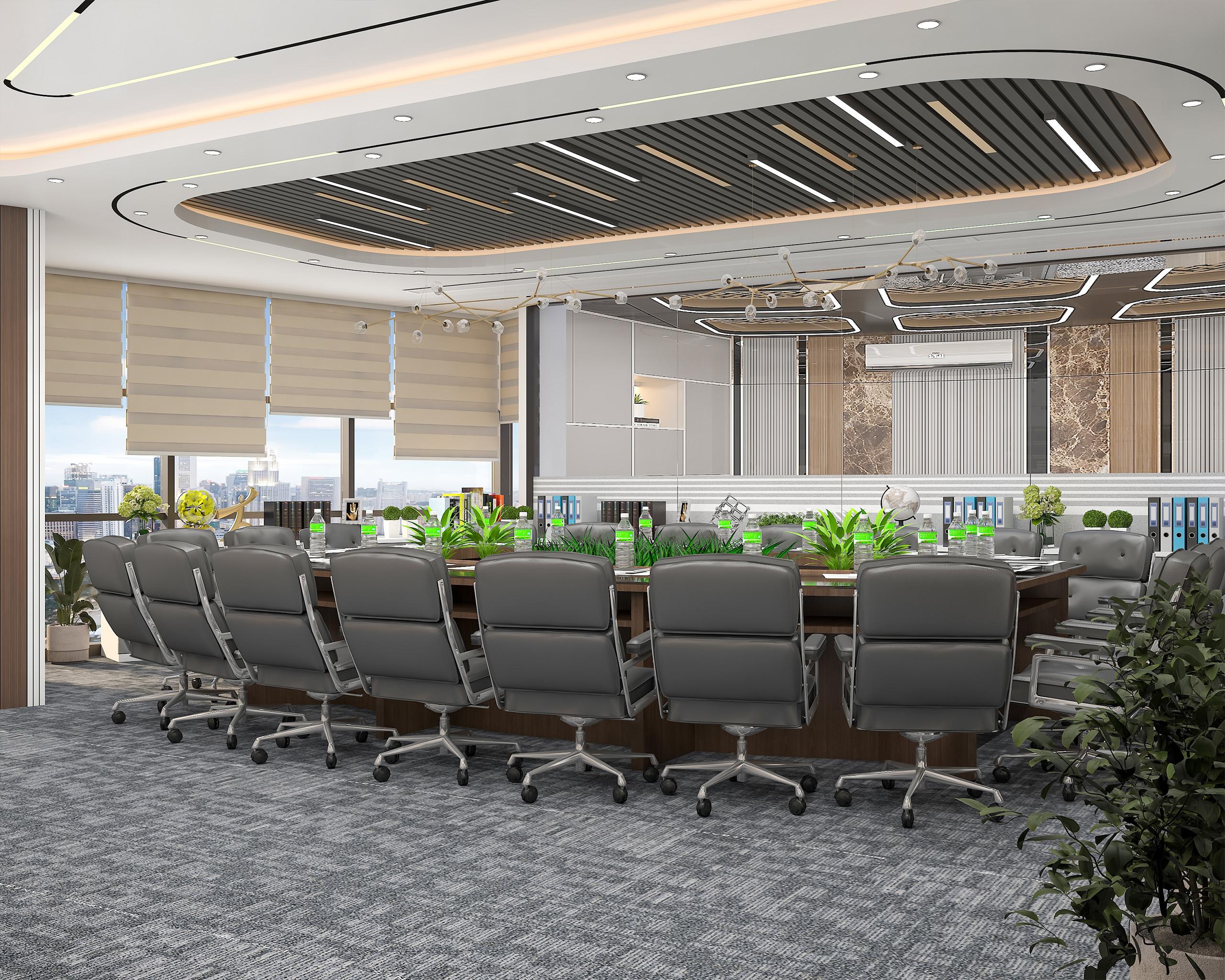
1. The “Activity-Based” Layout
In a hybrid model, the traditional sea of identical desks is obsolete. Instead, divide the office into functional zones:
- The Quiet Zone: Sound-proofed pods or “library” areas for deep, focused work (similar to the environment someone might have at home).
- The Collaboration Hub: Moveable furniture, large whiteboards, and modular seating for brainstorming sessions.
- The social Anchor: A high-quality cafe or lounge area that encourages the “watercooler moments” remote workers miss out on.
2. Equity in Meeting (The “Square” Rule)
The biggest challenge in hybrid offices is “presence disparity” –where in-person participants dominate the conversation while remote callers feel like observers.
- The Solution: Design “Equitable Meeting Rooms.” Instead of a long rectangular table where the screen is at one end, use U-shaped or curved tables.
- Tech Integration: Install 360-degree cameras and high-fidelity ceiling microphones so remote team members can hear and see everyone clearly, regardless of where they are sitting.



3. Hot-Desking with a “Home Base” feel
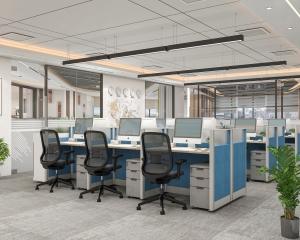
Since not everyone is the office every day, permanent desks are often a waste of space. However, hot-desking can feel cold and impersonal.
- Smart Lockers: Provide dedicated lockers where employees can keep personal items (a favorite mug, ergonomic mouse, or photos) so they can “settle in” quickly.
- Booking Systems: Use an integrated app that allows staff to see who else is coming into the office before they book a desk.
4. Mobile and Modular Furniture
A flexible office should be able to change its shape in minutes, not months.
- Flippable Tables: Tables on wheels that can be nested together to clear a floor for a town hall meeting or rearranged for small group workshops.