 by identity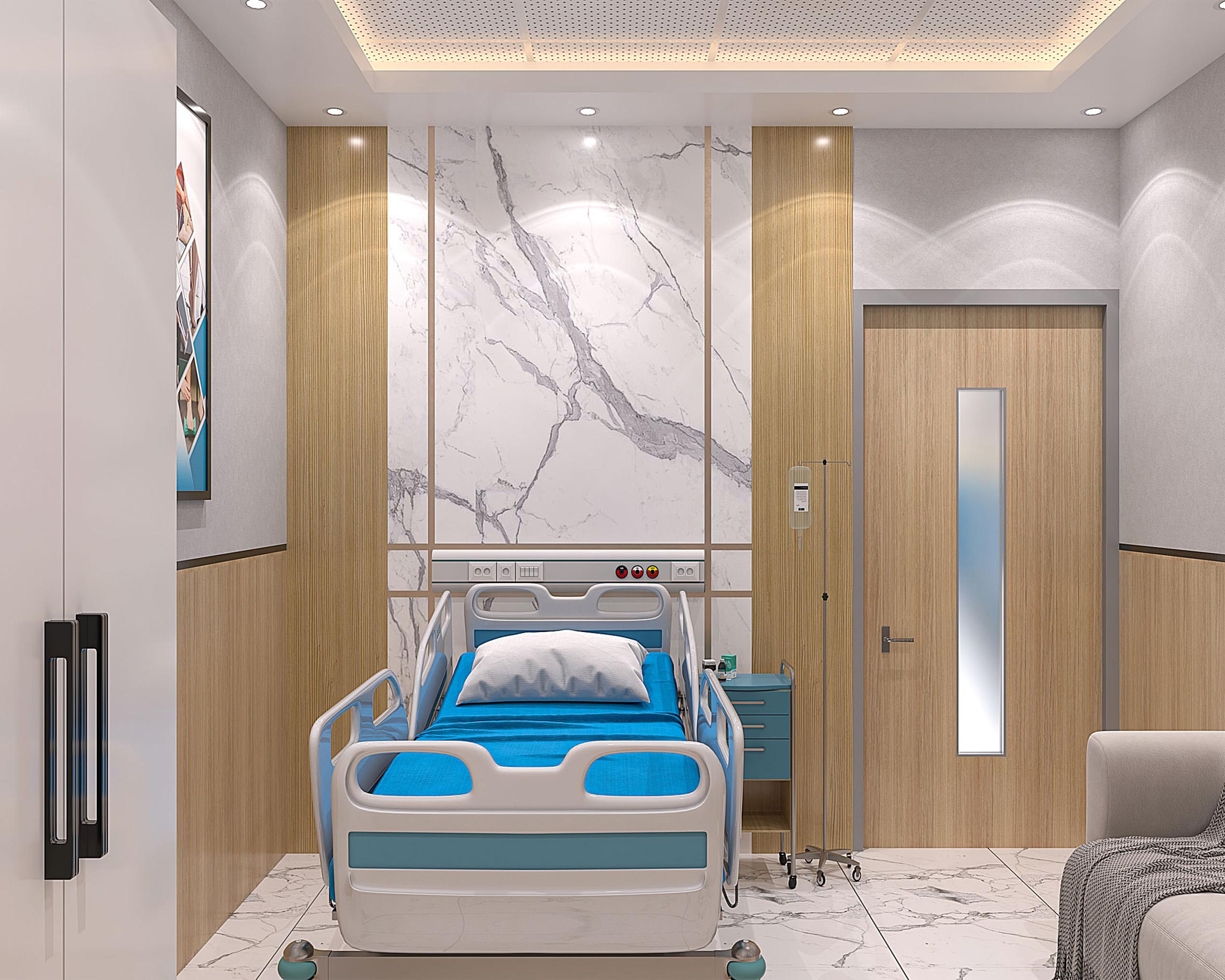
1. Connection to Nature (Biophilic Design)
Research consistently shows that visual access to nature significantly lowers cortisol (stress) levels and blood pressure.
- The Impact: Patients with rooms overlooking green spaces or gardens often require less pain medication and have shorter post-operative stays.
- The Design: Incorporating floor-to-ceiling windows, indoor plants, or living walls.
2. Acoustic Control
Hospitals are notoriously noisy environments due to alarms, cart wheels, and conversations. Noise is a primary source of sleep deprivation, which inhibits the body’s healing process.
- The Impact: Lower noise levels lead to deeper, more restorative sleep, which is critical for immune function and mental clarity.
- The Design: Using acoustic ceiling tiles, sound-absorbing flooring, and rubber-wheeled medical carts to dampen ambient sound.
3. Lighting Strategies (Circadian Lighting)
Our biological clocks (circadian rhythms) are heavily influenced by natural light.
Exposure to intense artificial light at night and lack of natural light during the day disrupt these rhythms, causing “ICU delirium” and fatigue.
- The Impact: Synchronized circadian rhythms help stabilize sleep-wake cycles, improving mood and accelerating physical recovery.
- The Design: Installing tunable lighting systems that mimic the natural cycle of the sun (warm light in the evening, cool light during the day) and maximizing daylight penetration.
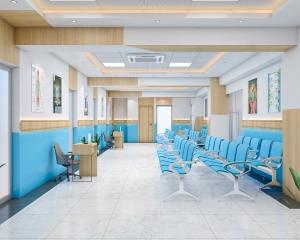
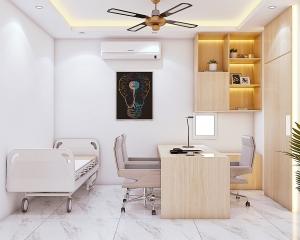
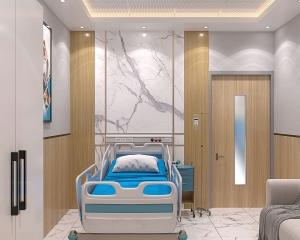
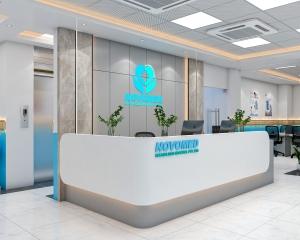
4. Patient-Centered Layouts and Wayfinding
Stress often stems from confusion and a loss of autonomy. When a patient feels lost or lacks control over their environment, their anxiety levels spike.
- The Impact: Intuitive environments reduce the cognitive load on patients and their families, allowing them to focus on healing rather than navigating a complex facility.
- The Design: Using clear, color-coded signage (wayfinding), providing private spaces for family consultation, and placing controls for lighting and temperature within the patient’s immediate reach.